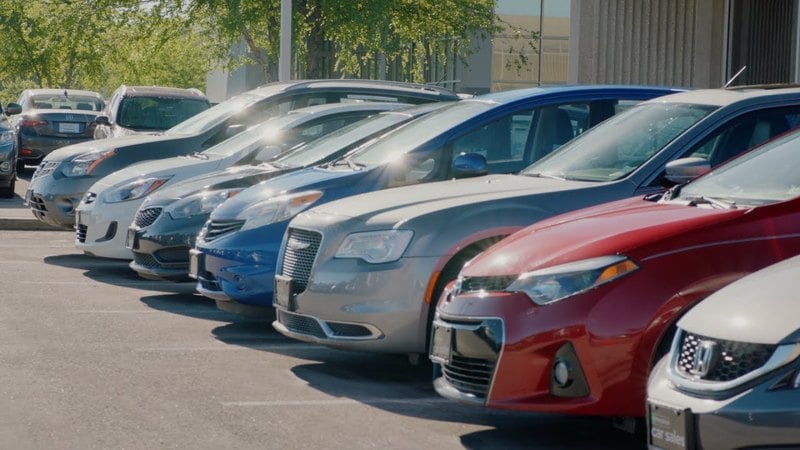
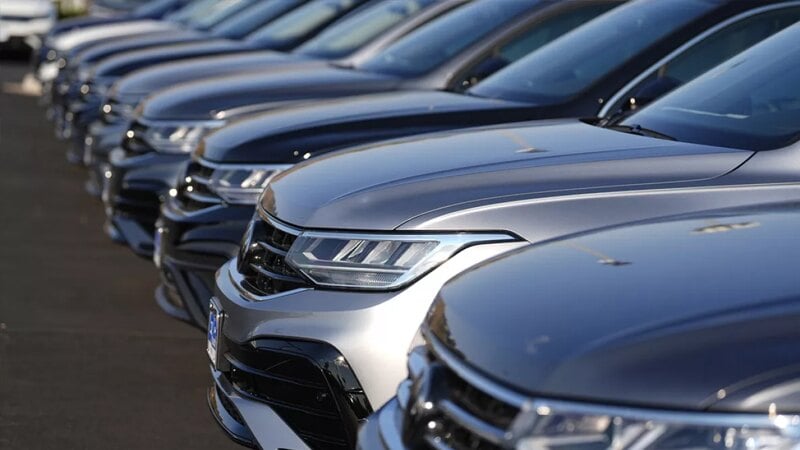
When you think of car shopping, your mind probably jumps to either brand-new models or used vehicles. However, unsold cars—vehicles sitting on dealership lots after newer models arrive—often carry hidden advantages. They can be the smartest choice for saving money while still driving something new.

1. Significant Cost Savings
The most obvious benefit of buying an unsold car is the financial advantage. Dealerships do not want older inventory taking up space when new models arrive. To clear their lots, they are often willing to offer deep discounts on unsold stock.
These discounts may include:
-
Direct price cuts on the sticker price.
-
Dealer incentives, such as cash rebates.
-
Financing perks, including low or zero percent interest rates.
Compared with a brand-new current-year model, an unsold car might save you thousands of dollars while still being unused. For example, a mid-range sedan priced at $30,000 as a new release might sell for $25,000 if it is an unsold version of the previous year.
2. Reliability and Warranty Coverage
Many buyers mistakenly assume that unsold cars are used or unreliable. In reality, they are brand new—just not the latest model year. These cars have never been owned, rarely driven, and typically remain in pristine condition.
Another important factor is warranty coverage. In most cases, the warranty begins at the time of purchase, not when the vehicle was manufactured. This means you receive the full manufacturer warranty, even if the car has been sitting on the lot for a year.
Service support is also the same as with current-year models. Dealerships and service centers honor the warranty without hesitation, and parts for recent models are usually still widely available.
3. Wide Selection of Models and Features
Opting for an unsold car can open doors to features you may not find on the latest models. Manufacturers frequently discontinue trims, interior materials, or even entire body styles when they redesign vehicles.
Benefits include:
-
Access to discontinued trims: Sometimes an older model has a feature that newer ones lack, such as a manual transmission or specific tech option.
-
Rare color combinations: Dealerships occasionally stock unique paint and interior combos that become unavailable later.
-
Stronger negotiation power: Because dealers are motivated to move these vehicles, you often have more room to bargain for extras like free servicing or add-ons.
For buyers who value variety and uniqueness, unsold cars may offer a more exciting shopping experience than current models.
4. Lower Depreciation Rates
Depreciation is one of the biggest hidden costs of owning a car. A brand-new vehicle typically loses 20 to 30 percent of its value within the first year. Unsold cars allow you to avoid the steepest part of this curve.
Here's why:
-
Immediate savings from discounts lower your initial purchase cost, meaning your car is already closer to its resale value.
-
Resale stability tends to be better, as you paid less upfront compared with a new release.
-
Less financial shock when trading in, since depreciation hits hardest on full-price purchases.
In practical terms, buying an unsold car allows you to enjoy the experience of driving something new without absorbing the maximum depreciation loss.
5. Environmental and Practical Benefits
While financial savings are often the main attraction, buying an unsold car has other hidden benefits.
From an environmental standpoint, purchasing an unsold vehicle helps reduce waste. Cars that sit unsold may eventually be scrapped, which wastes the energy and materials used in production. By choosing one of these vehicles, you extend the product’s lifecycle and support sustainability.
On a practical level, unsold cars are especially appealing for:
-
Families looking for reliable yet affordable transportation.
-
First-time buyers who want a new car without the premium price tag.
-
Eco-conscious drivers who prefer making use of existing stock instead of fueling demand for more production.
6. Investment Potential
Beyond immediate savings, unsold cars can hold surprising investment value. Certain models, trims, or unique color schemes that dealerships struggle to sell today may gain popularity later as rare finds.
-
Future Collectibility: Limited-edition trims or discontinued models often rise in value years down the line. Buyers who pick these up at a discount can end up owning a future collectible.
-
Market Timing Advantage: When supply of a specific model dries up, demand among enthusiasts may increase, pushing resale values higher.
-
Low Entry Cost, High Return: Since unsold cars are already discounted, the barrier to entry is lower, increasing potential for financial gain if the vehicle appreciates.
This does not apply to every car, but savvy buyers who research trends in automotive history, brand reputation, and consumer demand can turn an unsold purchase into a smart investment move.
Table 1: Price Difference Between New, Unsold, and Used Cars
| Vehicle Type | Average Price (Sedan Example) | Typical Savings |
|---|---|---|
| Brand-New Current Year | $30,000 | — |
| Unsold Previous Year | $25,000 | $5,000 |
| Lightly Used (2 years) | $20,000 | $10,000 |
Note: Prices are illustrative and vary by brand, model, and dealership incentives.
FAQ Section
1. Are unsold cars still brand new?
Yes. Unsold cars are typically new vehicles that were never purchased or registered. They may have minimal mileage from test drives but are otherwise unused.
2. How much can I save by buying unsold cars?
Savings often range from 10 to 20 percent off the sticker price, though discounts can be even higher if a dealership is eager to clear stock.
3. Do unsold cars still have a manufacturer warranty?
In most cases, yes. The warranty begins when you purchase and register the car, not when it was manufactured.
4. Why do dealerships have leftover inventory?
Leftover stock often comes from slow-selling models, color combinations that were not popular, or simply overordering before new models arrived.
5. Are unsold cars better than certified pre-owned cars?
Both options have advantages. Unsold cars are unused and often come with full warranties, while certified pre-owned vehicles are usually more affordable but have some wear.
Conclusion
Unsold cars may not always be the first choice for buyers, but they offer a powerful mix of savings, reliability, and hidden value. With full warranty coverage, lower depreciation, and even the potential for future appreciation, these vehicles represent an overlooked gem in the auto market. For those willing to look beyond the latest model year, unsold cars provide an opportunity to drive something new, affordable, and potentially profitable.
Related Articles
 The Secret Perks of Purchasing Unsold Cars
- No Credit Check Auto Loans: A Practical Guide for Buyers
- Carros não vendidos para idosos estão quase sendo doados
- Coches sin vender para personas mayores están casi regalados
- Tips for Seniors to Get Cheap Unsold SUVs


- AutomotiveThe Secret Perks of Purchasing Unsold Cars
- AutomotiveNo Credit Check Auto Loans: A Practical Guide for Buyers
- AutomotiveCarros não vendidos para idosos estão quase sendo doados
- AutomotiveCoches sin vender para personas mayores están casi regalados
- AutomotiveTips for Seniors to Get Cheap Unsold SUVs