If you have ever thought about getting an electric bike, you probably want something that makes everyday travel simpler and more enjoyable. Maybe you want to spend less on gas, avoid crowded buses, or stop arriving at work sweaty after a long ride. This article walks you through what electric bikes offer in a clear and practical way, helping you understand what to look for before spending your money.

Understanding the Rise of Electric Bikes
Electric bikes have become popular in many countries due to better technology and changing transportation habits. During recent years, lithium-ion batteries have improved, becoming lighter, safer, and able to store more energy. These improvements allow e-bikes to travel longer distances without adding too much weight. At the same time, many cities have built bike lanes and encouraged people to use cleaner travel options. As fuel prices rise and public transportation becomes crowded, more people choose e-bikes for short and medium trips. Older adults, students, workers, and casual riders all find e-bikes appealing, showing that this trend is strong and long-lasting.
Core Components That Define an Electric Bike
Several main parts work together to make an electric bike function smoothly. The battery powers the entire system and usually ranges from about 300 Wh to more than 700 Wh. A larger battery gives more range but makes the bike heavier. Motors come in two common styles: hub motors and mid-drive motors. Hub motors sit in a wheel and are simple to maintain, while mid-drive motors sit near the pedals and offer better balance and stronger hill-climbing power. The controller acts as the bike's brain, managing how much electricity flows to the motor. Sensors also play an important role. Cadence sensors detect when you pedal, while torque sensors measure how hard you pedal and adjust the support more smoothly. Displays often show speed, battery level, and riding mode. Together, these parts affect how comfortable, powerful, and efficient the bike feels.
Popular Categories of Electric Bikes
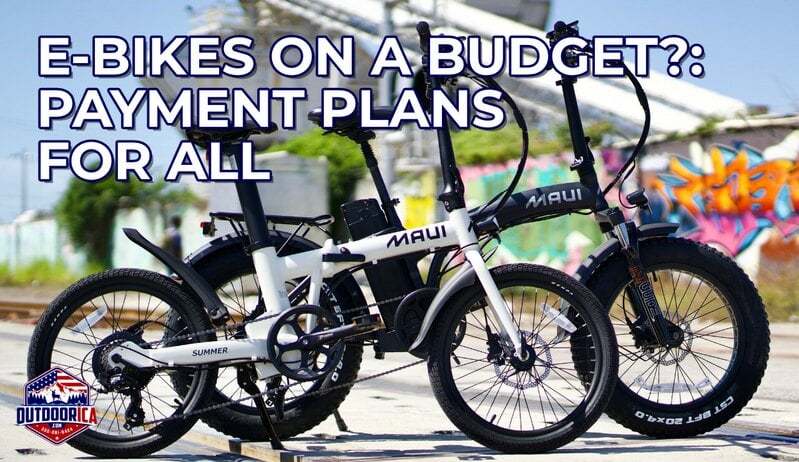
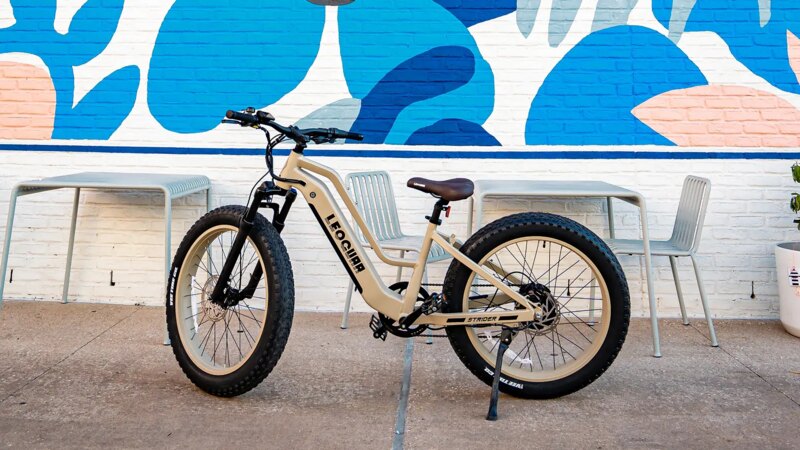
Electric bikes come in several styles, each serving a different purpose. City or commuter e-bikes focus on daily travel and often include lights, fenders, and rear racks for carrying items. Mountain e-bikes are built for dirt paths and steep climbs, using strong motors, wider tires, and suspension systems. Folding e-bikes help riders who need easy storage, making them ideal for apartments or mixed travel that includes buses or trains. Cargo e-bikes are designed to carry heavy loads, using stronger frames and longer designs to hold groceries, equipment, or even children. Each category solves unique riding challenges and helps different types of riders enjoy the benefits of electric power.
Benefits of Choosing an Electric Bike
Electric bikes offer many useful advantages. They help reduce pollution by replacing short car trips, which are often the most wasteful in terms of fuel use. Riders still get exercise, but the motor reduces strain, making longer or hillier routes easier to complete. Research shows that people with e-bikes tend to ride more often because the effort feels more manageable. Costs are another advantage. Charging an e-bike battery is inexpensive, and maintenance is usually simple because many parts are similar to normal bicycles. E-bikes also increase independence for riders who may have physical limitations or live in hilly areas. This mix of health, cost, and convenience benefits explains why e-bikes attract such a wide audience.
Key Factors to Consider Before Buying
When choosing an electric bike, it helps to compare a few important factors. The points below can guide you toward a model that fits your daily needs:
-
Battery Lifespan
Most batteries last several years when cared for properly. Avoid extreme temperatures and try to keep the battery charged between 20 and 80 percent. -
Comfort and Fit
Frame size, handlebar shape, and riding position affect how comfortable the bike feels, especially on longer trips. A test ride can help you decide. -
Safety Features
Strong brakes, bright built-in lights, and durable tires are important for daily riding. These features improve control and visibility. -
Local Regulations
Rules differ by region. Some areas limit assisted speed or motor power. Check your local laws before buying.
Real-World Performance: What to Expect
Electric bikes behave differently from regular bikes, especially when starting, climbing hills, or carrying weight. Motors provide quick support, making it easier to begin pedaling or enter traffic. Mid-drive systems use the bike's gears, which gives them an advantage on steep slopes. The choice of pedal-assist level changes the ride: low levels require more effort, while high levels make riding easier but use more battery. Cold or very hot weather may reduce battery efficiency for a short time. Because e-bikes are heavier than standard bikes, riders may feel a difference in balance and turning, especially at slow speeds. Understanding these traits helps you ride with confidence and choose the right settings for your needs.
Frequently Asked Questions
1. How long does an e-bike battery usually last?
Most batteries last between 500 and 1,000 charge cycles, which often means several years of regular use.
2. How often should I charge the battery?
Try to keep the charge between about 20 and 80 percent. Charging before the battery is fully empty helps extend its life.
3. Can I ride an e-bike in the rain?
Most e-bikes handle light rain well because the electronics are water resistant, but they should not be submerged or used in extremely heavy water.
4. Does an electric bike need more maintenance?
Mechanical parts need similar care as a regular bike. The electronic parts require only simple attention, such as checking connections and keeping the battery healthy.
5. Are there rules about riding electric bikes?
Yes, and they vary by region. Many places limit top speed or motor power. It is important to check local laws before riding.
6. Can I ride without using the motor?
Yes. You can pedal normally, though the bike's weight may make it feel harder than using a standard bicycle.
7. How far can an e-bike travel on one charge?
Most e-bikes can travel between 20 and 60 miles, depending on battery size, terrain, and how much assistance you use.
Conclusion
Electric bikes offer a simple, affordable, and enjoyable way to travel through cities and natural spaces. By combining human effort with electric support, they make riding easier for people of many ages and fitness levels. With clear benefits and many types to choose from, exploring the world of electric bikes helps you find a model that fits your lifestyle and daily travel needs.
Related Articles
 What You Should Know Before Buying an Electric Bike
- A Simple Guide to Buying an eBike with Monthly Payments
- What Nobody Tells You About Buy-Now-Pay-Later eBikes
- A Simple Guide to Buying an eBike with Monthly Payments
- What Nobody Tells You About Buy-Now-Pay-Later eBikes


- AutomotiveWhat You Should Know Before Buying an Electric Bike
- Everything ElseA Simple Guide to Buying an eBike with Monthly Payments
- AutomotiveWhat Nobody Tells You About Buy-Now-Pay-Later eBikes
- AutomotiveA Simple Guide to Buying an eBike with Monthly Payments
- AutomotiveWhat Nobody Tells You About Buy-Now-Pay-Later eBikes